You experience sensations in unique ways. When you choose a toy, reflect on what textures, pressures, or vibrations make you feel comfortable or excited. Consider your developmental level and physical abilities to match features that support your needs. Safety matters: many users report concerns about small parts, choking hazards like balloons, and materials such as lead in toys. For example, someone who enjoys gentle pressure may prefer anal beads for a gradual sensation. Start by identifying the main feeling you seek, then prioritize comfort and safety.
Key Takeaways
- Identify your sensation preferences to choose toys that enhance comfort and satisfaction.
- Consider texture: smooth toys often provide relaxation, while ribbed toys offer excitement.
- Match the intensity of sensations to your mood; gentle toys soothe, while strong toys energize.
- Explore vibration patterns and speeds to find what feels best for relaxation or stimulation.
- Prioritize safety by selecting toys made from body-safe materials like medical-grade silicone.
- Choose the right size and weight for your developmental level to ensure safe and enjoyable play.
- Reflect on your experiences with different sensations to guide future toy selections.
- Use checklists and flowcharts to simplify the decision-making process when choosing toys.
Sensation Preferences
Understanding your sensation preferences helps you choose toys that match your comfort and satisfaction. Sensory research divides preferences into categories that guide your selection process. You can use both qualitative and quantitative methods to explore your sensory needs.
| Type | Description |
|---|---|
| Qualitative | Focus groups and interviews reveal detailed insights into personal experiences. |
| Quantitative | Surveys and statistical tests measure preferences for broader predictions. |
Texture
Texture shapes your tactile experience. You may notice that certain textures make you feel relaxed, while others cause discomfort. Studies show that smoother textures often lead to greater comfort and satisfaction. You can reflect on your daily interactions with objects to identify your texture preferences.
Smooth
Smooth surfaces feel gentle against your skin. Many people prefer smooth textures because they associate them with comfort and safety. For example, if you enjoy running your fingers over a polished stone or a soft blanket, you likely respond well to smooth toys. Research highlights that smoother textures increase pleasantness and willingness to pay for products, especially when you expect premium quality. You may find that a smooth toy helps you relax after a stressful day, providing a calming sensory experience.
- Smoother textures are generally preferred for their pleasant tactile sensations.
- Soft and smooth stimuli often increase user comfort and satisfaction.
- Higher-income individuals respond more to tactile impressions when seeking premium products.
Ribbed
Ribbed textures add variety and stimulation. You might choose ribbed toys if you seek more intense or dynamic sensations. Ribbed surfaces can create a sense of excitement or novelty, especially if you enjoy exploring new tactile experiences. For instance, if you like the feeling of corduroy fabric or textured grips on pens, ribbed toys may suit your preferences. Ribbed textures can also help you focus or stay engaged during play, offering a unique sensory input.
Intensity
Intensity refers to how strong or gentle a sensation feels. Your preference for intensity may change depending on your mood, environment, or emotional state. Research shows that people under resource scarcity often prefer high-intensity sensory experiences, while those in low arousal contexts may seek gentler sensations.
| Experiment | Findings |
|---|---|
| 1 | People facing resource scarcity prefer high-intensity sensations. |
| 2 | Both positive and negative stimuli affect preferences in resource-scarce individuals. |
| 3 | Self-worth influences the effect of scarcity on sensory choices. |
| 4 | Self-acceptance moderates the relationship between scarcity and sensory preference. |
- Higher affect intensity leads to favorable attitudes toward tactile softness.
- In low arousal situations, people with high positive emotion intensity prefer softer textiles.
Gentle
Gentle sensations provide comfort and relaxation. You may choose gentle toys if you want to unwind or soothe yourself. For example, if you enjoy the feeling of a soft pillow or a gentle massage, you likely prefer toys that offer mild stimulation. Gentle toys can help you manage stress or sensory overload, making them ideal for self-care routines.
Strong
Strong sensations deliver excitement and stimulation. You might select strong toys if you crave intense experiences or want to energize yourself. For instance, if you enjoy vigorous exercise or loud music, you may respond well to toys that provide powerful sensations. Strong toys can help you stay alert and engaged, especially during moments when you need a boost.
Vibration
Vibration adds another layer to your sensory experience. You can choose toys with different vibration patterns and speeds to match your preferences. Vibration can help you relax, focus, or feel invigorated, depending on the settings you select.
Patterns
Vibration patterns vary from steady pulses to rhythmic waves. You may prefer a consistent pattern for relaxation or a changing pattern for excitement. For example, if you enjoy listening to music with a steady beat, you might like toys with regular vibration. If you prefer unpredictable rhythms, toys with varied patterns can keep you engaged.
Speeds
Vibration speed affects the intensity of the sensation. You can adjust the speed to find what feels best for you. Slow speeds often provide gentle stimulation, while fast speeds create stronger sensations. If you like the feeling of a slow, soothing hum, choose toys with lower speeds. If you want a quick burst of energy, higher speeds may suit your needs.
Tip: Reflect on your daily activities to identify which sensations you seek, avoid, or need help with. Customizing your environment and toy selection based on these insights can improve your comfort and satisfaction.
By understanding your texture, intensity, and vibration preferences, you can make informed choices that enhance your sensory experiences. Try different options and pay attention to how each sensation affects your mood and comfort.
Pressure
Pressure shapes your sensory experience in unique ways. You respond to different levels of pressure based on your comfort, mood, and physical needs. When you select a toy, you should consider whether you prefer light or firm pressure. This choice can influence relaxation, excitement, and overall satisfaction.
Light
Light pressure offers a gentle touch. You may seek light pressure when you want to relax or soothe yourself. For example, imagine using a soft foam ball that gently presses against your palm. You feel calm and safe. Many people with sensory sensitivities prefer light pressure because it does not overwhelm the skin or nerves.
- Light pressure can help you unwind after a stressful day.
- You may use toys with soft, flexible surfaces for gentle stimulation.
- Children often benefit from light pressure toys during quiet time or before sleep.
A case study shows that a teenager with sensory processing challenges uses a plush toy with light pressure to manage anxiety during exams. The gentle touch helps the student focus and feel secure. You can try similar strategies if you notice that light pressure brings comfort in your daily routine.
Firm
Firm pressure delivers a deeper, more intense sensation. You may choose firm pressure when you want to feel grounded or energized. Research highlights several benefits of firm pressure:
- Moderate pressure massage reduces anxiety and heart rate, enhancing sensory pleasure.
- Deep compression activates brain regions linked to pleasure.
- Firm pressure decreases sympathetic activity and cortisol, improving relaxation.
- Endorphins, serotonin, and dopamine increase during deep pressure therapy, boosting mood.
Consider a case where an adult uses a weighted blanket for firm pressure. The blanket provides deep touch, helping the person sleep better and feel less anxious. You may find that toys with firm pressure, such as weighted balls or compression sleeves, offer similar benefits. If you enjoy strong hugs or deep massages, firm pressure toys may suit your preferences.
Tip: Reflect on moments when you feel most relaxed or energized. Do you prefer a gentle touch or a strong squeeze? Your answer guides your toy selection.
Temperature
Temperature adds another dimension to your sensory experience. You respond to warm or cool sensations based on your mood, comfort, and physical needs. Toys with temperature features can help you relax, focus, or feel invigorated.
Warm
Warm sensations create comfort and relaxation. You may seek warmth when you want to feel cozy or safe. For instance, holding a heated gel pack can soothe sore muscles and calm your nerves. Warm toys often help you unwind after a long day or during cold weather.
- Warmth increases blood flow and reduces muscle tension.
- You may use toys with heating elements for relaxation.
- Children often enjoy warm stuffed animals during bedtime.
A case study describes a child who uses a warm plush toy to fall asleep faster. The gentle heat provides security and comfort. You can explore similar options if you notice that warmth helps you relax or sleep better.
Cool
Cool sensations refresh and energize you. You may choose cool toys when you want to wake up or feel alert. For example, squeezing a cold gel ball can stimulate your senses and improve focus. Cool toys are useful during hot weather or when you need a quick boost.
- Cool temperatures reduce inflammation and soothe irritated skin.
- You may use toys with cooling gels for relief after exercise.
- Students often use cool packs to stay alert during study sessions.
A case study features an athlete who uses a cool massage roller after training. The cold sensation relieves muscle soreness and speeds recovery. You can try cool toys if you notice that cold helps you feel refreshed or focused.
Note: Your preference for warm or cool sensations may change with the season, activity, or emotional state. Pay attention to how temperature affects your comfort and mood.
Toy Features
Material
Body-Safe
You should always choose toys made from body-safe materials. These materials protect your health and reduce the risk of irritation or infection. Medical-grade silicone, ABS plastic, and stainless steel are top choices. They are non-porous, hypoallergenic, and easy to clean. Medical-grade silicone is especially popular because it does not harm the body and is used in healthcare devices like catheters. FDA-approved materials and compliance with RoHS standards further ensure safety.
- Medical-grade silicone is biocompatible and gentle on sensitive skin.
- ABS plastic resists bacteria and does not absorb moisture.
- Stainless steel offers durability and is easy to sterilize.
| Material | Body-Safe | Non-Porous | Hypoallergenic | Easy to Clean | Used in Anal Beads |
|---|---|---|---|---|---|
| Medical-Grade Silicone | ✅ | ✅ | ✅ | ✅ | ✅ |
| ABS Plastic | ✅ | ✅ | ✅ | ✅ | ✅ |
| Stainless Steel | ✅ | ✅ | ✅ | ✅ | ✅ |
| Jelly/Rubber | ❌ | ❌ | ❌ | ❌ | ❌ |
Note: Always check for certifications and safety standards before purchasing. For more on toy safety, visit Consumer Product Safety Commission or FDA Medical Devices.
A young adult with sensitive skin once switched from a jelly toy to a medical-grade silicone option. They reported fewer irritations and greater peace of mind, especially when using anal beads.
Comfort
Material quality directly affects your comfort and satisfaction. Tactile quality—how soft, smooth, or thick a toy feels—can create a sense of warmth and luxury. Durable materials maintain their appeal over time, which is important for long-term enjoyment. High tactile quality also fosters positive emotional responses.
- Soft, smooth surfaces increase comfort and emotional connection.
- Durable toys last longer, reducing the need for replacements.
- Breathable materials prevent discomfort during extended use.
A college student shared that their first set of anal beads made from high-quality silicone felt much more comfortable than cheaper alternatives. The smooth surface and flexibility allowed for a relaxing experience.
Size & Weight
Appropriateness
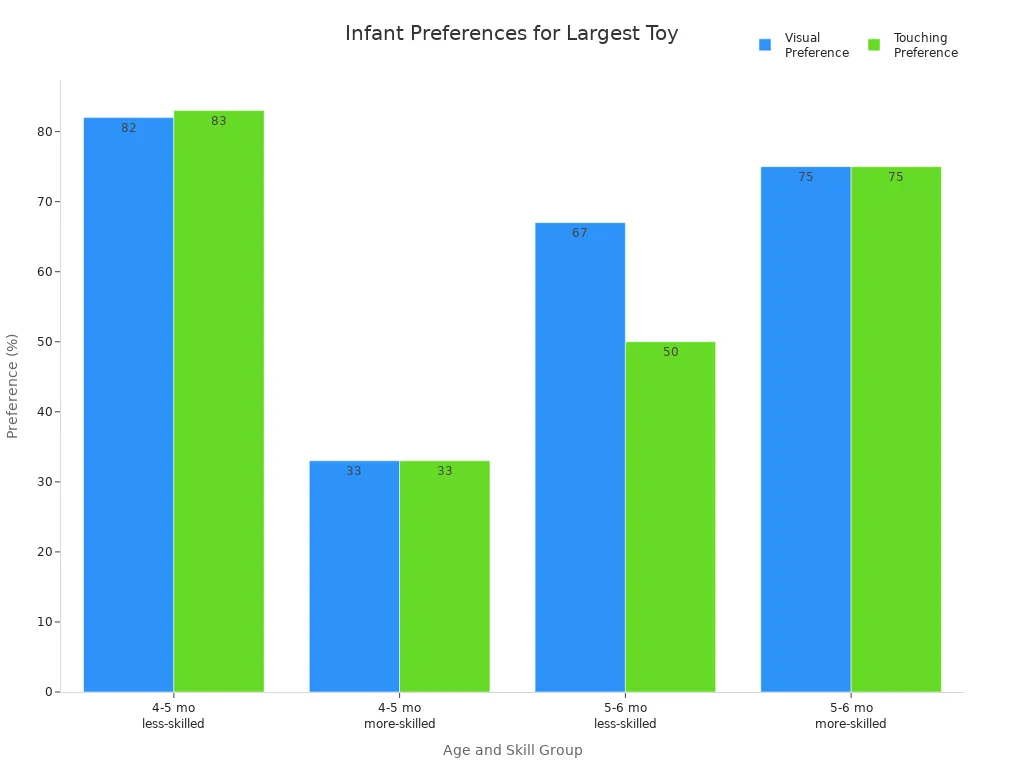
Choosing the right size and weight ensures safety and enjoyment. Infants and young children often prefer larger objects, while older users may have different needs. The following table shows how age and skill level affect size preferences:
| Age Group | Object Size Preference | Visual Preference for Largest Object | Touching Preference for Largest Object |
|---|---|---|---|
| 4-5 months (less-skilled) | Larger objects | 9 out of 11 (82%) | 5 out of 6 (83%) |
| 4-5 months (more-skilled) | Larger objects | 1 out of 3 (33%) | 1 out of 3 (33%) |
| 5-6 months (less-skilled) | Larger objects | 4 out of 6 (67%) | 2 out of 4 (50%) |
| 5-6 months (more-skilled) | No preference | 9 out of 12 (75%) | 9 out of 12 (75%) |
A parent noticed their toddler gravitated toward larger, lightweight toys. This made playtime safer and more enjoyable. When selecting anal beads, you should consider both size and weight to match your comfort and skill level.
Handling
Handling refers to how easily you can grip, move, or control a toy. Lightweight materials like pine or balsa wood reduce fatigue during play. Ergonomic handles and balanced weight distribution help users with limited strength or dexterity. For example, a person with arthritis found that toys with larger, textured handles were easier to use and less tiring.
Tip: Test the toy’s weight and grip before purchase. If you have limited hand strength, look for toys with ergonomic shapes and lightweight construction.
Shape
Ergonomic
Ergonomic features maximize comfort and usability. Child-appropriate dimensions, varied surface textures, and safety-focused designs make toys easier and safer to use. Multi-role toys encourage creativity, while durable construction ensures long-lasting fun.
| Ergonomic Feature | Description |
|---|---|
| Child-Appropriate Dimensions | Fits small hands for easy manipulation |
| Lightweight Materials | Reduces fatigue during play |
| Varied Surface Textures | Encourages tactile exploration |
| Safety Considerations | Prevents choking hazards, meets safety standards |
| Multi-Role Toys | Supports imaginative play |
| Durable Construction | Withstands normal play without hazards |
A preschool teacher observed that children engaged longer with toys designed for their hand size and grip strength. Ergonomic anal beads with a flared base and flexible design provide both safety and comfort for beginners.
Variety
Variety in shape allows you to explore different sensations and find what suits you best. Some toys offer smooth, curved lines for gentle stimulation, while others have textured or segmented designs for more intense experiences. Anal beads, for example, come in various shapes and sizes, letting you customize your sensory journey.
A first-time buyer experimented with several shapes before finding a set of anal beads that matched their preference for gradual, gentle pressure.
For more tips on choosing the right toy shape, check out The Toy Association or follow educational content on Instagram.
Anal Beads
Sensation Match
You seek toys that match your desired sensation. Anal beads offer a unique experience because each bead provides gradual pressure and stimulation. You feel a gentle build-up as you insert each bead, which can help you relax or heighten excitement. Many users choose anal beads for their ability to deliver both light and firm pressure, depending on bead size and insertion depth. You control the sensation by adjusting the pace and depth, which allows you to customize your experience.
A college student shared their story about exploring different bead sizes. They started with smaller beads to feel gentle pressure and later tried larger beads for a stronger sensation. This gradual approach helped them understand their comfort level and avoid discomfort. You benefit from experimenting with bead size and shape to discover what feels best for you. Anal beads also allow you to experience a wave-like sensation when you remove them slowly, which many users find pleasurable.
Tip: Start with smaller beads if you are new to this type of toy. Increase bead size gradually as you become more comfortable. This method helps you avoid discomfort and ensures a positive experience.
Safety Tips
You must prioritize safety when using anal beads. Experts recommend several important steps to protect your health and well-being:
- Always choose beads with a flared base. This design prevents the beads from getting lost inside your body.
- Wash your beads thoroughly with mild soap and hot water before and after each use. Clean toys reduce the risk of infection.
- Avoid sharing your beads with others unless you sanitize them properly. Sharing can spread bacteria and viruses.
- Inspect your beads regularly for signs of wear or damage. Replace them if you notice cracks, tears, or discoloration.
A young adult described how they once used beads without a flared base and experienced anxiety when removing them. After switching to a safer design, they felt more confident and relaxed. You reduce risks by following these safety tips every time you use anal beads.
Note: Safety features like a flared base and regular cleaning are not optional. They are essential for your comfort and health.
You make informed choices by understanding why sensation match and safety matter. Anal beads provide customizable pressure and stimulation, but only safe practices ensure a positive experience.
Matching Sensation to Toy Type
Texture Toys
Texture toys offer a wide range of tactile experiences. You can choose toys with smooth, bumpy, or ribbed surfaces to match your sensory needs. Children and adults benefit from texture toys because they stimulate touch and support cognitive development. For example, when you use kinetic sand or textured puzzle pieces, you learn to differentiate between surfaces and improve your memory retention. This hands-on approach motivates you to stay engaged and bridges the gap between abstract concepts and real-world understanding.
| Sensation Category | Recommended Toys | Description |
|---|---|---|
| Tactile | Kinetic Sand | Provides tactile stimulation with less mess. |
| Tactile | Textured Puzzle Pieces | Enhances fine motor skills and sensory exploration. |
| Tactile | Sensory Balls | Offers varied textures for grip and manipulation. |
Tip: Try different textures to discover what feels most comfortable. You may prefer soft, squishy toys for relaxation or ribbed surfaces for stimulation.
A preschooler with sensory processing challenges found that textured balls helped improve hand-eye coordination. The child enjoyed exploring different surfaces, which increased playtime engagement and reduced anxiety. You can use texture toys to support both fine and gross motor skills, especially if you want to enhance focus or calm nerves.
Vibration Toys
Vibration toys deliver rhythmic or pulsating sensations. You can adjust patterns and speeds to match your comfort level. Many users report that vibration toys enhance pleasure and relaxation. Clinical studies show that vibrators help treat sexual dysfunctions and improve sexual health. You may find that vibration toys increase arousal and satisfaction, especially if you seek varied sensations.
| Pros of Vibration Toys | Cons of Vibration Toys |
|---|---|
| Enhance sexual pleasure | Potential for genital numbness |
| Treat sexual dysfunctions | Risk of irritation or inflammation |
| Improve sexual health | Possible tears or cuts in skin |
| High user satisfaction rates | Need for proper cleaning |
| Positive correlation with arousal | Risk of desensitization with overuse |
- Over half of women in the U.S. have used a vibrator.
- Most users report no side effects.
- Men also experience improved sexual function and enjoyment.
Note: Avoid continuous monotonous vibration to prevent numbness. Use compatible lubricants and clean toys thoroughly before and after use.
A college student with genito-pelvic pain penetration disorder found relief using vibration toys with adjustable speeds. The student reported less pain and greater enjoyment during intimate moments. You can experiment with different vibration patterns to discover what works best for your body and mood.
Pressure Toys
Pressure toys provide sensations ranging from light touch to deep compression. You may use these toys to relax, focus, or manage excess energy. Occupational therapists often recommend pressure toys for individuals with ADHD or sensory processing needs. Fidget toys, weighted balls, and compression sleeves are popular choices. However, research on their effectiveness remains limited, and safety concerns exist, especially with small parts.
- Fidget toys help manage restless energy and improve concentration.
- Effectiveness varies by individual and environment.
- Some studies show benefits in classrooms, while others note distractions for inattentive-type ADHD.
- Weighted toys offer deep pressure, which can reduce anxiety and promote relaxation.
A teenager with ADHD used a weighted ball during study sessions. The ball provided firm pressure, helping the student stay focused and calm. You may find that pressure toys support attention and emotional regulation, especially in structured environments.
Tip: Choose pressure toys that match your developmental level and physical abilities. Avoid toys with small parts if you have concerns about choking hazards.
Pressure toys also benefit adults. For example, a person with anxiety found that using a compression sleeve during stressful meetings helped maintain focus and reduce nervousness. You can select toys with adjustable pressure to customize your experience. Anal beads offer gradual pressure and can be used to explore both light and firm sensations, depending on bead size and insertion depth.
Temperature Toys
Temperature toys let you explore warm or cool sensations during play. You may want to know why material choice matters for both safety and effectiveness. Silicone stands out as a safer option. You can boil silicone toys to sterilize them, which helps prevent infections. Silicone resists heat and does not warp, so you can clean it thoroughly. TPE (thermoplastic elastomer) feels softer and more flexible, but it has drawbacks. TPE is porous and sensitive to heat. Bacteria can hide in tiny pores, even after cleaning. TPE may melt or change shape if you try to sterilize it with boiling water.
- Silicone toys are non-porous, easy to clean, and safe for repeated heating.
- TPE toys feel soft but can trap bacteria and lose shape with heat.
- Porous toys increase health risks, especially if you use them for temperature play.
A college student wanted to try temperature play with a cooling gel toy. They chose a silicone product after learning that TPE could not be boiled safely. The student found that the silicone toy stayed cool longer and was easy to clean after each use. You can avoid health risks by selecting non-porous materials like silicone for temperature toys. This choice gives you peace of mind and lets you enjoy temperature sensations without worry.
Tip: Always check the material before using a toy for temperature play. Non-porous silicone keeps you safer and makes cleaning easier.
Anal Beads
Anal beads offer a unique way to experience gradual pressure and varied sensations. You may wonder why different features matter for your comfort and safety. The design, material, and vibration options all affect your experience. You can choose beads with strong vibrations, soft silicone, or weighted stainless steel. Each type matches different sensation preferences and physical abilities.
| Product Name | Unique Features | Price | Pros | Cons |
|---|---|---|---|---|
| Lumi | Strong vibrations, soft silicone, remote-controlled | $40.49 | Varied vibrations, light-up design | Glitchy remote |
| Graeae | Automatic inflation, 10 vibration modes | $47.69 | Unique inflation, strong vibrations | Bulky base |
| Sparkling Gem | Weighted stainless steel, beautiful design | $23.39 | Intense sensations, easy to clean | No flexibility |
| Thrusting Anal Beads | 10 vibration and thrusting modes | $28.99 | Unique combo, soft beads | Tricky cock ring |
| Soft Silicone Beads | Gradual size progression, quiet | $28.99 | Comfortable texture, waterproof | No remote or thrusting features |
A young adult with limited dexterity chose soft silicone beads with gradual size progression. They found the beads easy to insert and remove, which reduced discomfort. Another user wanted stronger sensations and selected weighted stainless steel beads. The intense pressure matched their preference for firm stimulation, but they noticed the beads lacked flexibility. You can match your developmental level and physical abilities by choosing the right features. Remote controls and vibration modes help users with limited mobility enjoy more sensations.
Note: Always select beads with a flared base for safety. This design prevents the beads from slipping inside and makes removal easier.
You gain more control over your experience by understanding why features like material, vibration, and shape matter. Anal beads let you explore both gentle and strong sensations, so you can find what feels best for you.
Safety & Practical Considerations
Material Safety
You must pay close attention to the materials in your toys. Safe materials protect your health and reduce risks during play. Manufacturers often use plastics like ABS, PE, and PP because they offer durability and safety. Some materials, such as PVC, raise health concerns and require caution. The following table summarizes common toy materials and their safety considerations:
| Material Type | Properties | Safety Considerations |
|---|---|---|
| Polystyrene (PS) | Transparent, brittle | Limited use due to brittleness |
| ABS | Tough, rigid | Ideal for intricate toys, stable |
| PVC | Widely produced | Health concerns, classified as carcinogen |
| Polypropylene (PP) | Chemical/heat resistant | Durable, safe for components |
| Polycarbonate (PC) | High strength, impact resistant | Flame retardant, sensitive to notches |
| Polyethylene (PE) | Flexible, insulating | Suitable for young children |
| EVA | Soft, flexible | Cushions, safe for foamed toys |
| Polyurethane (PU) | Strong, wear resistant | Durable for high-stress parts |
| PET | Strong, hygienic | Impact and odor resistant |
Tip: Always check for safety certifications and avoid toys with PVC or unknown plastics. You can find more safety guidelines at The Toy Association and Consumer Product Safety Commission.
A parent once noticed their child developed skin irritation after playing with a toy made from PVC. After switching to toys made from ABS and PE, the child’s symptoms disappeared. You can prevent similar issues by choosing toys with safe, certified materials.
Cleaning
You need to clean toys regularly to maintain hygiene and prevent illness. Water and mild dish soap work well for most toys. Vinegar solutions clean surfaces but do not disinfect. For deeper cleaning, hydrogen peroxide and eco-friendly disinfectants are effective. Plush toys require fragrance-free, hypoallergenic detergents and an extra rinse cycle.
| Cleaning Method | Effectiveness | Advantages | Disadvantages |
|---|---|---|---|
| Disinfection Cabinet | Highly effective | Cleans multiple toys at once | Expensive, long cycle |
| Electrostatic Sprayer | Easy, quick | Uses various disinfectants | Must rinse after use |
| UV-C Box | Moderate effectiveness | Inexpensive, short cycle | Small capacity |
| Manual Cleaning | Labor-intensive | No chemicals needed | Time-consuming, less effective |
- Use diluted white vinegar and mild dish soap for routine cleaning.
- Hydrogen peroxide helps with deep cleaning.
- Eco-friendly products like Seventh Generation are advisable.
- Avoid harsh chemicals to protect sensitive skin.
A preschool teacher cleaned classroom toys with diluted vinegar and dish soap. The children experienced fewer colds and skin reactions. You can follow similar routines to keep your toys safe and clean. For more cleaning tips, visit HealthyChildren.org or follow The Toy Association on Instagram.
Budget
You should consider your budget when selecting toys. High-quality toys usually cost between $7 and $20, with an average price of $14. Investing in safe, durable toys saves money over time because you replace them less often.
- Most high-quality toys fall within the $7–$20 range.
- Spending a little more on safe materials and easy-to-clean designs pays off in the long run.
- Avoid very cheap toys, as they may use unsafe materials or break easily.
A college student wanted a sensory toy for stress relief. They chose a mid-priced option made from ABS plastic. The toy lasted for months and required minimal cleaning. You can find affordable, safe toys by checking reviews and looking for safety certifications.
Note: Prioritize safety and durability over price. You protect your health and enjoy longer-lasting toys.
For more advice on budgeting for toys, explore Toy Industry Foundation and check social media for user experiences and recommendations.
User Experience
You shape your toy choices through your unique experiences and needs. Why does user experience matter so much? You want toys that feel comfortable, safe, and easy to use. When you select a toy, you consider how it fits into your daily routine and whether it supports your physical abilities.
A high school student with limited hand strength once tried several sensory toys. The student found that lightweight toys with large handles reduced fatigue and made playtime enjoyable. You learn from this case that ergonomic design improves comfort and encourages longer use. You should look for toys that match your grip strength and movement range.
You also value toys that adapt to your environment. For example, a college student living in a small dorm room needed toys that were easy to store and clean. The student chose compact toys with simple cleaning instructions. This decision saved time and reduced stress. You benefit from choosing toys that fit your space and lifestyle.
Safety features play a key role in your experience. You want toys with rounded edges, non-toxic materials, and secure parts. A parent noticed their child preferred toys without sharp corners or detachable pieces. The child played longer and felt safer. You see that safe design increases confidence and reduces accidents.
You also consider how toys support your emotional well-being. A teenager with anxiety used a plush toy during stressful moments. The soft texture and gentle pressure helped the teen relax and focus. You discover that sensory toys can provide comfort and emotional support.
You should reflect on these case studies when making choices. Ask yourself:
- Does the toy feel comfortable in your hands?
- Can you clean and store it easily?
- Do you feel safe using it?
- Does it support your physical and emotional needs?
Tip: Test toys before buying when possible. Hold them, squeeze them, and check for any discomfort or safety concerns.
You improve your experience by prioritizing comfort, safety, and practicality. You learn from others’ stories and apply these lessons to your own choices. You find that thoughtful selection leads to greater satisfaction and enjoyment.
Step-by-Step Guide
Quick Checklist
Use this checklist to match your desired sensation, toy features, and safety requirements. Experts recommend focusing on natural materials, construction quality, and sensory appropriateness. You can print or save this list for easy reference.
- Prioritize natural materials like wood or organic fabrics.
- Choose toys with self-correcting features.
- Select realistic and functional designs.
- Avoid toys with batteries or electronic sounds.
- Look for calm colors and simple patterns.
- Check for durable construction and safe finishes.
- Match the toy’s texture, intensity, and pressure to your comfort level.
- Ensure the size and weight fit your handling ability.
- Confirm the toy is easy to clean and maintain.
- Always check for a flared base on anal beads for safety.
Tip: You can find more safety guidelines at The Toy Association and cleaning advice at HealthyChildren.org.
Case Study:
A parent wanted a sensory toy for their child with tactile sensitivities. They used this checklist and chose a wooden puzzle with smooth edges and calm colors. The child enjoyed independent play and learned to solve problems without frustration. The toy’s natural material and self-correcting design supported both safety and development.
| Feature | Why It Matters | Example Benefit |
|---|---|---|
| Natural Materials | Reduces exposure to chemicals | Fewer skin irritations |
| Self-Correcting | Encourages independent learning | Builds confidence |
| Realistic Design | Supports real-world understanding | Easier skill transfer |
| No Electronics | Prevents overstimulation | Calmer play environment |
| Durable Construction | Increases longevity | Safer, longer-lasting use |
Decision Flowchart
This flowchart helps you narrow your choices based on sensation, features, and safety. Start at the top and follow the arrows to your ideal toy type.
graph TD
    A[What sensation do you seek?] --> B{Texture}
    A --> C{Vibration}
    A --> D{Pressure}
    A --> E{Temperature}
    B --> F[Choose smooth or ribbed toys]
    C --> G[Select toys with adjustable patterns/speeds]
    D --> H[Pick light or firm pressure toys]
    E --> I[Opt for warm or cool temperature toys]
    F --> J{Need for easy cleaning?}
    G --> J
    H --> J
    I --> J
    J --> K[Check for body-safe, durable materials]
    K --> L{Handling needs?}
    L --> M[Choose ergonomic, lightweight design]
    L --> N[Select standard design]
    M --> O[Review safety features and certifications]
    N --> O
    O --> P[Ready to purchase]
Note: If you have unique physical needs, always test the toy’s grip and weight before buying. For more decision tools, visit Consumer Product Safety Commission or follow The Toy Association on Instagram.
Case Study:
A college student with limited hand strength used the flowchart. They identified a preference for vibration and needed lightweight, ergonomic design. After checking safety certifications, they selected a silicone toy with simple controls. The student reported improved comfort and confidence during use.
Tips for First-Time Buyers
Overcoming Hesitation
You may feel uncertain when buying a toy for the first time. Many people worry about making the wrong choice or feel overwhelmed by the options. Understanding why hesitation happens helps you take confident steps forward. You want to make a choice that matches your needs and brings comfort.
A high school student once hesitated before purchasing a sensory toy. They feared wasting money and felt unsure about which features mattered most. By setting clear goals, the student identified what sensations they wanted to experience. This focus helped them filter out distractions and choose a toy that fit their needs.
You can use several strategies to overcome hesitation. The table below explains why each step matters:
| Strategy | Description |
|---|---|
| Define Goals and KPIs | Set clear objectives, such as improving comfort or exploring new sensations. |
| Select Initial Tactics | Start with one or two simple features, like smooth texture or gentle vibration. |
| Integrate Feedback Early | Ask for opinions from trusted friends or use online surveys to gather advice. |
| Craft Targeted Choices | Focus on toys with clear benefits and easy-to-understand features. |
| Monitor and Adjust | Reflect on your experience after use and adjust your preferences for next time. |
| Expand Gradually | Try new features or types only after you feel comfortable with your first choice. |
| Maintain Engagement | Stay curious and seek feedback to build confidence for future purchases. |
You gain confidence by starting small and learning from each experience. A college student began with a simple, smooth-textured toy. After positive feedback and personal comfort, they explored more advanced options. This gradual approach reduced anxiety and increased satisfaction.
Tip: Trust your instincts and seek support from communities or friends. Many first-time buyers share similar concerns, and open conversations often lead to better decisions.
Where to Shop
You want to shop in places that offer safety, privacy, and reliable information. Trusted retailers help you avoid low-quality or unsafe products. You should look for stores that provide clear product descriptions, safety certifications, and easy return policies.
A parent searching for a sensory toy for their child chose a specialty store with knowledgeable staff. The staff answered questions about materials and safety, which helped the parent feel secure in their purchase. You benefit from shopping at stores that value customer education and transparency.
Consider these options when deciding where to shop:
- Specialty Toy Stores: Staff often have expertise in sensory needs and can guide you to the right product.
- Online Retailers: Many sites offer detailed reviews, comparison tools, and discreet shipping. Always check for verified customer feedback and clear safety information.
- Local Pharmacies or Health Stores: These locations sometimes carry sensory toys with a focus on safety and accessibility.
- Community Recommendations: Ask friends, support groups, or online forums for trusted sources. Personal stories often reveal hidden gems.
Note: Always verify the store’s return policy and look for safety certifications on products. Reliable retailers make it easier to resolve issues and ensure your satisfaction.
You build confidence by choosing reputable shops and seeking advice from experienced buyers. Each purchase becomes a learning opportunity, helping you refine your preferences and enjoy new sensations safely.
Choosing the right toy matters because your comfort, safety, and satisfaction depend on it. You should match your desired sensation with features that fit your needs. A young adult once used the checklist and flowchart to select a toy that matched their sensory preferences. They felt more confident and enjoyed the experience.
- Focus on your comfort and developmental level.
- Use the checklist and flowchart for guidance.
Remember, exploring new sensations helps you learn what works best for you. Enjoy the journey!
FAQ
What should you do if a toy feels uncomfortable during use?
Stop using the toy right away. Clean it and check for damage. If discomfort continues, try a different material or shape. For example, a student switched from a hard plastic toy to a soft silicone one and felt much better.
How can you tell if a toy is safe for your age or ability?
Check the packaging for age recommendations and safety warnings. Choose toys with large parts if you worry about choking. A parent once picked a larger, lightweight toy for their toddler, which made playtime safer and more enjoyable.
How often should you clean your toys?
Clean toys after every use. Use mild soap and warm water. A preschool teacher cleaned toys daily, which helped reduce illness in the classroom. Regular cleaning keeps you healthy and extends the toy’s life.
What if you have sensitive skin or allergies?
Pick toys made from hypoallergenic materials like medical-grade silicone or ABS plastic. Test a small area first. A young adult with allergies used silicone toys and avoided irritation. Always check for skin reactions before regular use.
Can you use the same toy for different sensations?
Yes, many toys offer multiple sensations. For example, you can cool a silicone toy in the fridge or warm it in water. A college student used one toy for both warm and cool play, discovering new preferences each time.
What should you do if a toy breaks or shows wear?
Stop using it immediately. Inspect for cracks or loose parts. Replace damaged toys to avoid injury. A teenager noticed a tear in a plush toy and replaced it, which prevented further problems.
How do you choose a toy if you have limited hand strength?
Look for lightweight toys with large, ergonomic handles. Test grip before buying. A high school student with weak grip chose a toy with a thick handle and played comfortably for longer periods.
Where can you find support or advice when choosing a toy?
Ask teachers, therapists, or support groups for recommendations. Many people share experiences in online forums. A parent joined a local group and learned helpful tips for selecting safe, comfortable toys for their child.