You might feel alone when you notice your sex drive doesn’t match your partner’s, but you’re not.
- Nearly 80% of couples go through times when one person wants intimacy and the other doesn’t.
- Sometimes, up to 35% of women and 15% of men report having no sex drive at all.
Talking about what you want can feel tough, but you can use sex toys like anal beads to explore new ways to connect. When you try toys together, you open up conversations about pleasure and comfort. This can help you find satisfaction and keep your bond strong, even when your desires differ.
Tip: Start with honest, gentle questions about what feels good for both of you. Stay curious and patient.
Key Takeaways
- Mismatched libidos are common; nearly 80% of couples experience differences in sexual desire at some point.
- Open communication is essential; start conversations with gentle questions about each other’s needs and feelings.
- Using sex toys can enhance intimacy; they provide alternative ways to connect and explore pleasure together.
- Recognize that libido differences are normal; they can stem from biological, psychological, and emotional factors.
- Empathy is key; understanding each other’s feelings can reduce rejection and build trust in the relationship.
- Solo play is healthy; it allows individuals to explore their own desires without pressure on their partner.
- Choose toys together to strengthen your bond; this collaborative approach fosters excitement and comfort.
- Seek professional help if mismatched libidos lead to ongoing frustration; a therapist can guide you through tough conversations.
Mismatched Libidos Explained
What It Means
Mismatched libidos simply mean you and your partner want sex at different times or with different frequency. You might crave intimacy more often, or maybe you find yourself saying “not tonight” more than your partner does. This difference can show up in any relationship, no matter how close you feel. It doesn’t mean something is wrong with you or your relationship. Instead, it’s a normal part of sharing your life with someone else.
Tip: If you notice a pattern, try tracking your moods and energy levels for a week. You might spot trends that help you talk about your needs.
Why It Happens
You might wonder why your sex drives don’t always match up. Many factors play a role, and most are outside your control. Here are some common reasons:
- Biological factors: Hormones, medications, and health conditions can change how much you want sex.
- Psychological factors: Stress, anxiety, depression, and self-esteem issues can lower desire.
- Emotional factors: Past experiences and your sense of identity shape how you feel about intimacy.
- Relationship dynamics: Unresolved arguments, trust issues, or poor communication can create distance.
- Lifestyle habits: Sleep, nutrition, and exercise all affect your mood and energy. Regular physical activity can boost your libido, while too much alcohol or drug use can have the opposite effect.
- Routine and familiarity: Sometimes, being with the same partner for a long time can make things feel predictable, which may lower excitement.
You might notice your desire increases when you feel emotionally close to your partner. On the other hand, stress from work or family can make you less interested in sex. If you and your partner talk openly about these factors, you can start to understand each other better.
Common Myths
You’ll hear a lot of myths about mismatched libidos. These can make you feel isolated or worried, but most aren’t true. Let’s clear up a few:
- Everyone should want sex the same amount: In reality, most couples experience differences in desire at some point.
- Women always have lower sex drives than men: This stereotype doesn’t hold up. Desire varies from person to person, regardless of gender.
- Losing interest after having a baby or during menopause is permanent: Your libido can change during big life events, but it doesn’t disappear forever.
- If you love your partner, you’ll always want sex: Love and desire don’t always line up. You can feel deeply connected even when your sex drive dips.
Note: Understanding these myths can help you and your partner approach the topic with more compassion and less pressure.
If you recognize these patterns and myths, you can start to talk about your needs without blame or shame. This sets the stage for finding solutions that work for both of you.
Emotional Impact and Communication

Handling Rejection and Pressure
You might feel rejected when your partner doesn’t match your desire for intimacy. That sting can show up as neglect, unfulfillment, or even guilt. Sometimes, you may worry that you’re not enough or feel anxious about your relationship. These feelings are common. You’re not alone if you experience stress or wonder if things will ever change.
Tip: If you notice these emotions, pause and remind yourself that mismatched libidos are normal. Your worth isn’t tied to how often you have sex.
Instead of letting rejection build walls, try sharing your feelings in a safe space. For example, you could say, “I sometimes feel left out when we don’t connect physically. Can we talk about it?” This opens the door for honest conversation without blame.
Building Empathy
Empathy helps you and your partner understand each other’s emotional states. When you feel disconnected, your desire for intimacy might drop. Emotional intimacy fuels physical closeness. If you both talk about your expectations, you can reduce feelings of rejection and build trust.
| Evidence | Explanation |
|---|---|
| Emotional intimacy fuels physical intimacy. | When you feel close emotionally, your desire for sex often increases. |
| Couples often carry an invisible ‘relationship contract’ regarding intimacy. | Discussing and redefining these expectations helps you both feel understood. |
| Rebuilding intimacy is a collaborative process. | Working together to restore closeness makes you feel supported. |
Try asking your partner, “How do you feel about our connection lately?” or “Is there something you need from me to feel closer?” These questions show you care and want to work as a team.
Talking Openly
Open communication is the key to navigating mismatched libidos. Couples who talk about their sexual needs and preferences report higher satisfaction. You can start with appreciation: “I love the connection we have. I want us to keep deepening our intimacy.” Use “I” statements to share your feelings, like “I’ve been thinking about what turns me on, and I’d love to share it with you.”
Here are some practical conversation starters:
- “How do you feel about our sex life right now?”
- “Is there anything you’ve been wanting to try that we haven’t talked about?”
- “What do you enjoy most about our intimacy?”
You can also explore online communities like r/relationships or advice platforms such as Psychology Today for more tips and support. Remember, talking openly helps you both feel heard and valued.
Note: If you struggle to start these conversations, consider scheduling a time to talk when you both feel relaxed. This can make the discussion feel less stressful and more productive.
Sex Toys as a Bridge
Sex toys can help you and your partner find new ways to connect when your sex drives don’t match. You might feel stuck or frustrated, but toys offer creative solutions that can bring you closer together. Let’s explore how they can bridge the gap.
Alternative Satisfaction
You don’t always need intercourse to feel satisfied. Sex toys give you options for pleasure that fit your needs and your partner’s comfort level. For example, if you want intimacy more often than your partner, you can use toys like anal beads for solo play. This lets you enjoy sexual release without pressure on your partner. If your partner feels curious, you can invite them to join in, making it a shared experience.
- Sex toys can enhance pleasure for both partners, providing targeted sensations that lead to mutual satisfaction.
- They promote stronger communication and connection, encouraging you to talk about preferences and desires.
- Introducing variety through different toys keeps your sexual experience fresh and exciting, which is crucial when you and your partner have mismatched libidos.
Imagine a couple named Alex and Jamie. Alex has a higher sex drive, while Jamie prefers intimacy less often. Alex uses anal beads during solo play, and sometimes Jamie joins in by offering encouragement or gentle touch. This approach helps Alex feel fulfilled and keeps Jamie comfortable. You can read more about couples navigating mismatched libidos on Scarleteen and join discussions on Reddit’s r/sex.
Tip: Try exploring toys together, even if you start with solo play. Sharing your experiences can spark new conversations about pleasure.
Enhancing Intimacy
Sex toys do more than provide physical satisfaction. They can deepen your emotional bond and help you build trust. When you choose toys together, you show your partner that you care about their comfort and desires. Anal beads, vibrators, and other toys can create new sensations that you might not achieve otherwise.
Here’s what research shows about toys and intimacy:
| Study/Source | Findings |
|---|---|
| Unlocking Intimacy | Sex toys provide science-backed benefits for sexual health, enhancing pleasure and emotional well-being. |
| Uandi App Study | Over 75% of couples reported improved sexual relationships after using toys together, enhancing trust and emotional intimacy. |
| Contemporary OB/GYN Review | Regular vibrator use in women correlated with improved lubrication, arousal, and reduced sexual pain, especially in long-term relationships. |
| Indiana University Research | Couples using sex toys together reported higher relationship happiness and better communication, particularly when choosing toys mutually. |
You might feel nervous about trying something new. Start by talking about what excites you. Ask your partner, “Would you like to try anal beads together?” or “How do you feel about adding a toy to our routine?” These questions can help you both feel safe and open to new experiences.
Note: Exploring sex toys can help you reconnect with your desires. Using toys, whether alone or with your partner, fosters communication and intimacy.
Stress Relief and Comfort
Sex toys can also help you manage stress and find comfort, especially when your sex drives don’t match. If you feel anxious or tense, using toys like anal beads can provide a safe way to release sexual tension. You don’t have to rely on your partner every time you need relief.
| Benefit | Description |
|---|---|
| Reduces Stress | Sex toys can provide a safe and convenient way to release sexual tension and stress, easing anxiety and improving mood. |
| Enhances Intimacy | They enhance intimacy, promote open communication, and prevent monotony in a relationship. |
| Supports Individual Pleasure | They support individual pleasure, which can be beneficial when partners have mismatched libidos. |
You can explore your desires together, building a deeper emotional and physical bond. For example, one partner might use anal beads while the other offers support or participates in sensual touch. This approach helps both partners feel valued and respected.
- Sex toys can help partners explore their desires together, building a deeper emotional and physical bond.
- They introduce new sensations that might be difficult to achieve otherwise.
If you want more ideas, check out The Joy of Sex Toys or follow conversations on Twitter about sex-positive relationships.
Tip: If you feel stressed or disconnected, try using a toy during self-care time. Share your experience with your partner to keep your intimacy strong.
You can use sex toys to bridge the gap between mismatched libidos. They offer alternative satisfaction, enhance intimacy, and provide comfort when you need it most. By staying open and curious, you can find new ways to connect and keep your relationship thriving.
Introducing Toys to Your Relationship
Overcoming Hesitation
You might feel nervous about bringing up sex toys with your partner. That’s normal. Many people worry about embarrassment or rejection. The key is to start small and choose the right moment. Pick a relaxed, private time when you both feel comfortable. You could say, “I’ve been curious about trying something new together. What do you think?” This approach opens the door without pressure.
If you feel unsure, remember that exploring toys like anal beads or vibrators is about enhancing pleasure, not replacing intimacy. You can make the conversation lighthearted. Try planning a special night dedicated to exploring new sensations. This can turn hesitation into excitement.
Tip: Approach the topic with curiosity. Treat it as an adventure you share, not a test of your relationship.
Discussing Preferences
Talking about preferences helps you and your partner feel safe and respected. You want to know what feels good for both of you. Here are some best practices for these conversations:
- Choose a relaxed and private setting for open dialogue.
- Share your thoughts and feelings honestly.
- Discuss comfort levels and respect boundaries.
- Agree on safe words for clear communication and consent.
- Make the experience fun and exciting.
- Incorporate toys gradually, starting with simple options.
You might ask, “Is there anything you’ve wanted to try but haven’t mentioned?” or “How do you feel about using toys like anal beads or vibrators?” These questions show you care about your partner’s comfort. If you both feel unsure, start with something small and build from there.
A table can help you organize your preferences:
| Preference | Partner A | Partner B |
|---|---|---|
| Vibration Level | Medium | Low |
| Toy Type | Anal beads | Vibrator |
| Comfort Level | High | Moderate |
| Safe Word | “Pause” | “Stop” |
This makes it easier to see where you match and where you differ.
Choosing Together
Choosing toys as a team strengthens your connection. You want both partners to feel excited and comfortable. Start with simple options like wearable devices or dual stimulation vibrators. Communicate about comfort levels and preferences. Experiment with different sizes, intensities, and functions to discover what works best.
Here’s a step-by-step approach:
- Have an honest conversation before introducing new toys.
- Ask questions like, “Would you like to try something new together?”
- Approach the process with curiosity, not pressure.
- Explore together to keep the experience fresh and engaging.
You might find that trying anal beads or other toys brings new pleasure and intimacy. Remember, the goal is to enjoy the journey together. Stay open, talk often, and celebrate each new discovery.
Note: Exploring toys together can deepen trust and make your relationship more playful.
Types of Toys for Couples
Vibrators and Couples’ Toys
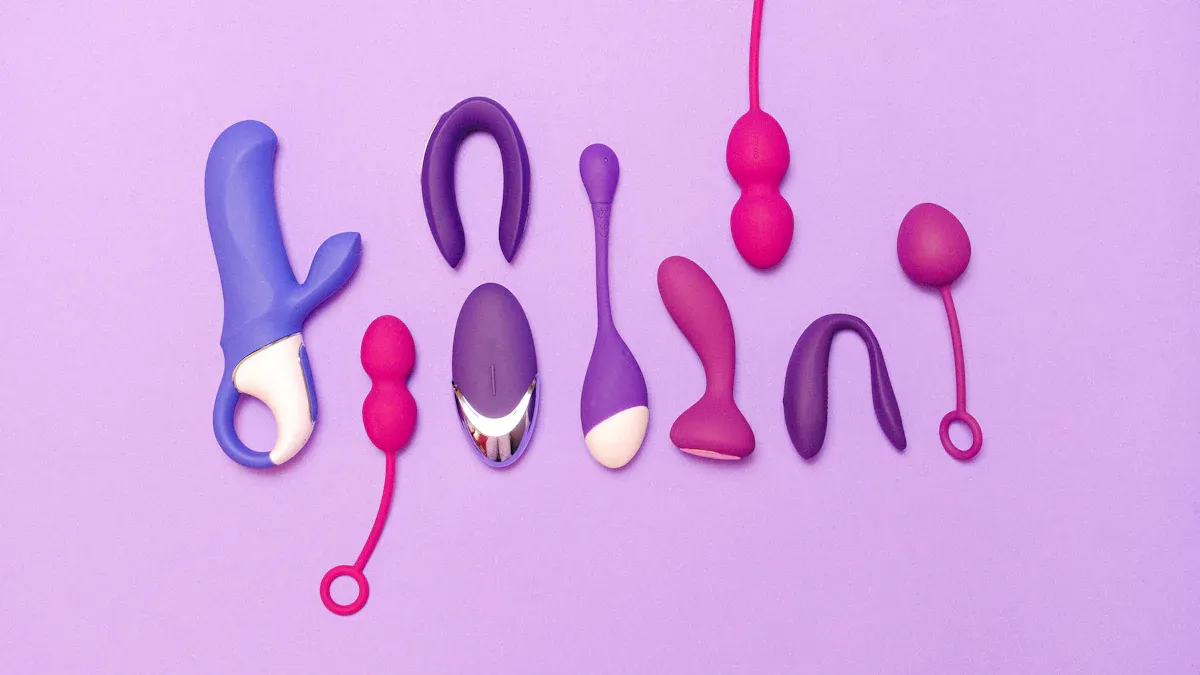
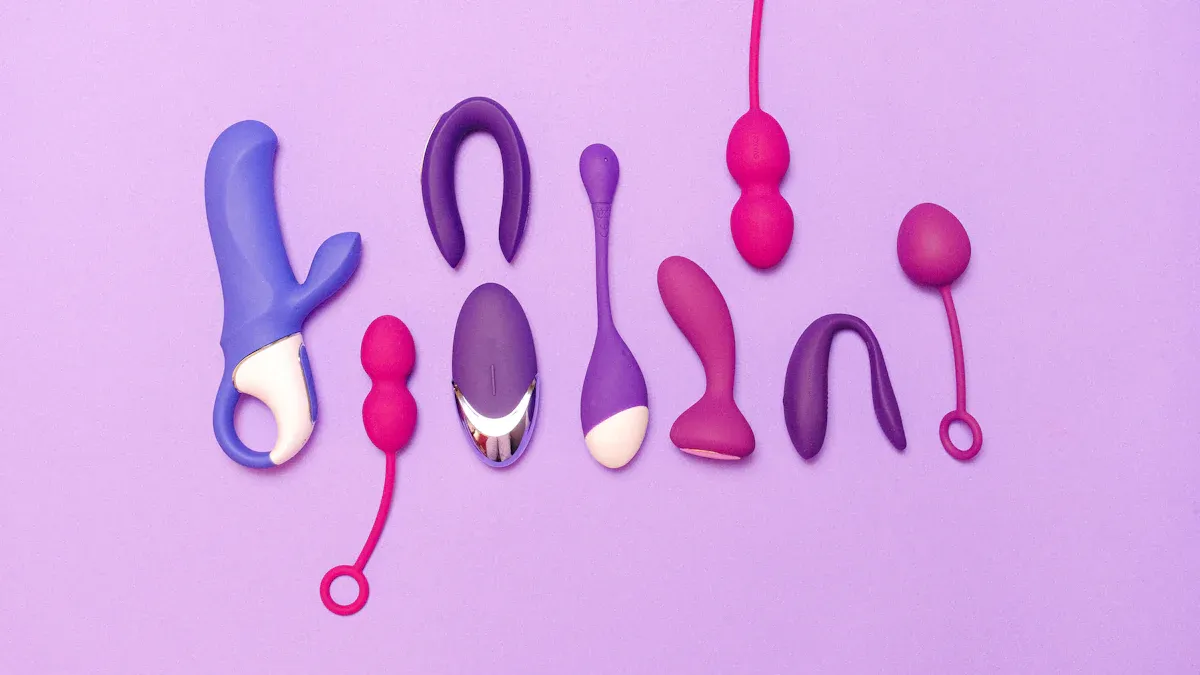
Vibrators and couples’ toys can make a big difference when you and your partner have different sex drives. These toys add excitement and help you both explore new sensations. You might try a wearable couples vibrator that fits between you during intercourse, or a classic handheld vibrator for solo or shared play. Cock rings with vibration features can also boost pleasure for both partners. Delay sprays or gels can help prolong intimacy, giving you more time to connect.
Here’s a quick look at some popular options:
- Couples Vibrators: Wearable, stimulate both partners at once.
- Cock Rings: Enhance erections and sensations, sometimes with vibration.
- Delay Sprays/Gels: Help prolong sexual activity.
The introduction of high-quality, body-safe toys has helped many people with low libido rediscover their interest in sex. These toys can spark curiosity and adventure, making intimacy feel fresh again.
| Benefit | Description |
|---|---|
| Enhanced Pleasure | Toys let you discover new sensations and boost sexual pleasure. |
| Mutual Satisfaction | Both partners can feel satisfied, even if their sex drives differ. |
| Increased Intimacy | Sharing toys builds trust and deepens your emotional connection. |
Tip: Try introducing a vibrating couples’ toy to add a sense of adventure to your routine. You might be surprised by how much it brings you together.
For more ideas, check out Scarleteen’s guide to sex toys or join discussions on Reddit’s r/sex.
Remote-Controlled Devices
Remote-controlled toys can be a game-changer, especially if you and your partner have mismatched libidos or spend time apart. These devices let one partner control the toy from across the room or even from another city. You can use them for playful teasing, surprise each other, or stay connected during long-distance periods.
- Enhances intimacy by letting you explore new sensations together.
- Encourages open communication about desires and boundaries.
- Adds spontaneity and excitement, even if you’re not in the same place.
Using remote-controlled toys builds trust as you both try something new. You learn to listen to each other’s feedback and respect each other’s comfort zones. This openness can make your relationship stronger and more resilient.
| Toy Type | Best For | How It Helps Bridge Libido Gaps |
|---|---|---|
| Remote-Controlled Vibrator | Long-distance couples, mismatched drives | Keeps intimacy alive, adds playful surprises |
| App-Controlled Anal Beads | Couples who like tech and adventure | Lets you share control and explore together |
Note: If you want to try remote-controlled toys, start with a simple device and set clear boundaries. You can always build up to more adventurous play.
You can find more information about remote-controlled toys and sexual wellness at Planned Parenthood or follow conversations on Twitter’s sex-positive community.
Anal Beads and New Experiences
Trying new things together can help you reconnect and keep intimacy exciting. Anal beads are one option that many couples enjoy, especially when exploring new sensations. These toys stimulate sensitive nerve endings and can lead to intense pleasure for both partners. You might use them during foreplay, solo play, or as part of your shared routine.
Incorporating anal beads into your sex life can open up conversations about what feels good and what you want to try next. This kind of exploration often leads to better communication and a deeper bond. You don’t have to rush—start slow, use plenty of lube, and check in with each other often.
| Toy Type | Stimulation Level | Shared or Solo | Effectiveness for Libido Gaps |
|---|---|---|---|
| Anal Beads | Moderate-Intense | Both | High |
| Couples Vibrator | Moderate-High | Both | High |
| Remote-Controlled Device | Variable | Both | High |
Tip: Exploring new toys like anal beads can help you and your partner discover what brings you joy. Stay curious and celebrate each new experience together.
For more tips on trying new toys, visit OMGyes or browse r/sex for real stories from other couples.
Solo and Shared Play
You might wonder how sex toys can help when you and your partner have different sex drives. The answer often lies in solo and shared play. You can use toys alone or together, depending on what feels right for both of you. This flexibility lets you explore pleasure without pressure.
How to Start with Solo Play
Solo play gives you control over your own pleasure. You can use toys like vibrators, anal beads, or strokers to discover what feels good. If your partner isn’t in the mood, you don’t have to wait or feel frustrated. You can set aside time for yourself, light a candle, and focus on your own needs.
- Choose a toy that excites you.
- Find a private, comfortable space.
- Try different speeds or patterns.
- Listen to your body and adjust as needed.
You might feel shy at first, but solo play is healthy and normal. It helps you learn about your body and what you enjoy. You can share your discoveries with your partner later, which can spark new conversations.
Tip: If you feel awkward about solo play, remind yourself that self-pleasure is a form of self-care. You deserve to feel good.
How to Enjoy Shared Play
Shared play brings you and your partner together. You can use toys to create new experiences, even if your libidos don’t match. For example, you might use a couples vibrator during foreplay, or try anal beads while your partner offers encouragement or gentle touch.
- Talk about what you want to try.
- Set boundaries and agree on safe words.
- Start slow and check in often.
- Celebrate each new sensation together.
You can make shared play a regular part of your routine. Some couples schedule “toy nights” to keep things exciting. Others use toys spontaneously when the mood strikes. The key is to stay open and curious.
Comparing Solo and Shared Play
| Play Type | Benefits | How It Bridges Libido Gaps |
|---|---|---|
| Solo | Self-discovery, stress relief | Lets you meet your own needs |
| Shared | Connection, communication | Creates intimacy and teamwork |
“Solo play lets me recharge. Shared play helps us reconnect. Both keep our relationship strong.”
You don’t have to choose one over the other. You can mix solo and shared play to fit your relationship. If you feel disconnected, try sharing your solo experiences. If you want more intimacy, plan a night to explore toys together. Stay flexible and keep talking. You’ll find what works for you.
Expanding Intimacy Beyond Intercourse
Redefining Connection
You might think intimacy always means sex, but you can build connection in many ways. When you and your partner have different sex drives, it helps to see intimacy as more than just intercourse. Try focusing on pleasure, comfort, and closeness. You can create new rituals that bring you together without pressure.
- Make eye contact and share a few deep breaths.
- Give each other sensual massages.
- Cuddle on the couch or in bed.
- Share fantasies or tell each other erotic stories.
- Lie together in silence, just enjoying each other’s presence.
Tip: Sometimes, a long hug or holding hands can feel just as intimate as sex. These moments help you both feel valued and close.
Open communication matters here. Talk about what makes you feel connected. Use consent checklists or aftercare plans if you want to try something new. This helps you both feel safe and respected.
Sensual and Erotic Play
You can explore sensual and erotic play to keep intimacy alive. Many couples find that focusing on pleasure, not just penetration, leads to greater satisfaction. Try activities that awaken your senses and help you feel present with your partner.
Understanding your own desire style—whether you feel spontaneous or need a little warming up—can make a big difference. If you or your partner has a lower sex drive, you might worry about miscommunication. Instead, reframe intimacy as a chance to enjoy each other without pressure.
Here are some ideas to try:
- Mutual masturbation lets you share pleasure while respecting each other’s boundaries.
- Explore each other’s erogenous zones with gentle touch.
- Listen to erotica or read sexy stories together.
- Take a bath or shower together.
- Play games like Truth or Dare with a sensual twist.
Note: Couples who focus on playful, sensual moments often feel more satisfied than those who only see sex as intercourse.
Exploring New Routines
You can keep your relationship fresh by trying new routines. Start by talking about what you both enjoy and what you might want to try. Take turns initiating intimacy so no one feels pressured. Use scents, music, or mood lighting to set the scene.
- Try oral sex or hand stimulation instead of intercourse.
- Experiment with role-play or light fantasy.
- Schedule regular “intimacy sessions” that focus on connection, not just sex.
- Masturbate alone or together as a way to meet your needs without stress.
- Check in with each other—ask how things feel and adjust as needed.
If you ever feel stuck, consider seeking help from a counselor who understands sex-positive approaches. Remember, you can build a strong, loving bond by exploring new ways to connect—both in and out of the bedroom.
“Intimacy is about feeling close, seen, and cared for. You get to decide what that looks like for your relationship.”
When to Seek Support
Recognizing the Signs
Sometimes, you might feel stuck when trying to manage mismatched libidos. You notice the same arguments keep coming up, and nothing seems to change. If you see a cycle of frustration or feel rejected and pressured, it’s time to pay attention. You may find that the issue never gets resolved and starts to feel like a wall between you and your partner. These signs show you could benefit from outside support.
- You and your partner argue about sex, but the problem never goes away.
- You feel rejected or pressured, and it happens again and again.
- The issue becomes a major concern, and you feel stuck or hopeless.
If you recognize these patterns, don’t ignore them. You deserve a relationship where both partners feel heard and valued. Seeking help is a sign of strength, not failure.
Finding Sex-Positive Help
You have options when you want support. Sex-positive professionals can guide you through tough conversations and help you find solutions. You might feel nervous about reaching out, but these experts understand what you’re going through. They focus on empathy, communication, and practical strategies.
| Type of Professional | Description |
|---|---|
| Sex Therapists | Help you and your partner explore libido differences with guided discussions and practical advice. |
| Individual Therapy | Supports you in understanding personal factors, like anxiety or past experiences, that affect desire. |
| Couple-Centered Therapy | Encourages empathy and helps you both find common ground in your relationship. |
You can also try these approaches at home:
- Schedule intimacy to help align your desires.
- Explore compromises that satisfy both partners.
- Practice open communication about sexual needs.
- Try intimacy-building exercises to strengthen your bond.
- Learn more about sexual anatomy and pleasure.
If you notice different sex drives leading to conflict or frustration, don’t wait for things to get worse. Sex-positive help can make a real difference.
Using Educational Resources
You can use educational resources to learn new ways to handle mismatched libidos. These tools help you understand that differences in desire are normal. You get practical advice and learn how to talk honestly with your partner. You also build emotional security and explore what influences your sex drive.
- Normalize your differences so you stop blaming yourself or your partner.
- Create space for honest communication about what you both want.
- Build emotional security by sharing your feelings and listening to each other.
- Explore external influences, like stress or health, that affect your libido.
- Find creative compromises that work for both of you.
Many couples discover that mismatched sex drives reflect deeper emotional needs. One partner might crave intimacy for security, while the other needs space to feel safe. When you use educational resources, you shift your focus from blame to teamwork. You learn to collaborate and find solutions together.
Tip: Try reading articles, watching videos, or joining online forums where couples share their experiences. You’ll find new ideas and feel less alone.
If you feel overwhelmed, remember that support is available. You can take small steps, learn together, and build a stronger relationship.
You can approach mismatched libidos with creativity and compassion. Try talking openly with your partner about what works for both of you. Explore options like masturbation, porn, or sex toys. Sometimes, just being present together helps you feel close.
- Communicate honestly to build understanding.
- Respect each other’s boundaries.
- Stay flexible and try new activities, such as anal beads, to keep intimacy alive.
Every couple can find solutions that fit their needs. You have the power to create a satisfying connection.
FAQ
What should you do if you feel embarrassed about using sex toys?
Feeling embarrassed is normal. Start by talking with your partner about your curiosity. Suggest exploring together in a relaxed setting. You can watch educational videos or read articles as a team. This helps you both feel more comfortable and open.
How do you talk to your partner about mismatched libidos?
Pick a calm moment. Use “I” statements, like “I want us to feel close.” Ask your partner how they feel about your intimacy. Listen without interrupting. Suggest trying new things, such as toys, to find what works for both of you.
Can sex toys help if your partner has a lower sex drive?
Yes, toys can help bridge the gap. You can use them for solo play when your partner is not in the mood. Invite your partner to join in if they feel comfortable. This keeps intimacy alive without pressure.
How do you choose the right toy together?
Talk about what excites you both. Visit a store or browse online together. Read descriptions and reviews. Start with simple toys, like a basic vibrator or anal beads. Check in with each other about comfort and preferences before buying.
Is it normal to want solo play even in a relationship?
Absolutely. Solo play is healthy and common. It helps you learn about your body and manage stress. Share your experiences with your partner if you feel comfortable. This can lead to better communication and more satisfying intimacy.
What if you feel jealous when your partner uses toys alone?
Jealousy can happen. Talk openly about your feelings. Ask your partner to share what they enjoy about solo play. You can suggest joining in or setting aside time for shared experiences. Remember, toys do not replace your connection.
Are there safety tips for using toys like anal beads?
Always use plenty of water-based lubricant. Clean toys before and after use. Start slow and check in with your partner. Never force anything. Choose toys with a flared base for safety. If you feel pain, stop right away.
When should you seek professional help for mismatched libidos?
If you feel stuck, resentful, or disconnected, consider talking to a sex therapist. A professional can help you both communicate better and find solutions. You deserve a relationship where both partners feel satisfied and respected.