You deserve pleasure and connection, even when chronic pain or mobility issues make intimacy feel out of reach. Many people in your situation face real challenges—more than three-quarters of those with chronic pain report sexual difficulties before treatment. You might worry about finding toys you can actually use, affording them, or whether they truly help with your unique needs. Some options, like anal beads, can offer comfort and adaptability, giving you new ways to explore and enjoy your body. When you choose tools that fit your abilities, you empower yourself to reclaim pleasure on your terms.
Key Takeaways
- You deserve pleasure and connection, even with chronic pain or mobility challenges.
- Choosing the right sensual toys can empower you to explore intimacy on your own terms.
- Open communication with your partner is key to overcoming barriers to intimacy.
- Look for toys with ergonomic designs, soft materials, and simple controls for easier use.
- Hands-free and remote-controlled toys offer independence and flexibility during intimate moments.
- Experimenting with different types of toys can help you discover new ways to enjoy pleasure.
- Supportive products like wedges and pillows can enhance comfort during intimacy.
- Join support groups or talk to professionals for advice and encouragement on your journey.
Unique Challenges
Barriers to Intimacy
Living with chronic pain or mobility issues can create real barriers when you want to connect with a partner. You might notice that your body does not move the way you want, or pain interrupts moments that should feel good. These challenges can make intimacy feel complicated or even out of reach. Why do these barriers matter so much? They can affect your confidence, your relationship, and your sense of self.
- Chronic musculoskeletal pain often makes sexual activity physically challenging.
- You may struggle with body image or self-criticism, especially if your body has changed.
- Pain and mobility issues can shift relationship roles, sometimes making you or your partner feel more like a caregiver than a lover.
- Frustration and anger can build up, leading to tension between you and your partner.
- About 60% of people with musculoskeletal disorders experience sexual dysfunction.
- Medications, such as antidepressants, can also affect sexual desire or function.
- Physical limitations from injuries can make certain positions or movements difficult.
These barriers do not just affect your body—they can touch every part of your relationship.
Emotional Impact
You might wonder why intimacy feels so emotionally charged when you live with chronic pain. The answer is that pain does not just stay in your body; it can seep into your mood, your confidence, and your relationships. Many people in your situation experience a mix of emotions, from sadness to frustration.
- Between 35% and 45% of people with chronic pain experience depression.
- Chronic pain can lead to feelings of hopelessness, making it hard to enjoy daily life or feel satisfied in your relationship.
- The cycle of pain and mental health struggles can cause social isolation, which puts even more strain on intimacy.
Over 70% of people with chronic pain report problems with intimacy. You are not alone if you feel overwhelmed or discouraged.
Adapting and Communicating
Why does communication matter so much when you face these challenges? Honest conversations can help you and your partner understand each other’s needs and find new ways to connect. You do not have to figure it out alone. Many couples find that adapting together brings them closer.
| Strategy | Description |
|---|---|
| Honest Communication | Use I-statements and active listening so both of you feel heard and valued. |
| Explore Intimacy Beyond Sex | Talk about different ways to be close, not just sexual activity. |
| Reduce Stress Together | Try breathing exercises or set boundaries to help each other relax. |
| Set Realistic Expectations | Discuss what feels possible on tough days and adjust plans as needed. |
| Invite Your Partner to Share | Encourage open conversations about what feels good and what does not. |
You can build a stronger connection by talking openly, being gentle with yourself and your partner, and exploring new ways to share intimacy. Every couple’s journey looks different, but small changes in communication can make a big difference.
Features of Accessible Toys
When you live with chronic pain or mobility challenges, the right features in sensual toys can make all the difference. You want tools that feel good in your hand, are easy to use, and adapt to your needs. Let’s explore why these features matter and how they can help you enjoy intimacy with less stress.
Ergonomic Design
Easy-to-Hold Shapes
You might find that gripping small or oddly shaped toys causes discomfort or fatigue. That’s why easy-to-hold shapes are so important. Toys with larger handles, curved bodies, or looped grips let you maintain control without straining your hands or wrists. For example, a malleable wand with a long handle can help you reach sensitive areas without twisting your body. These designs reduce the effort you need to enjoy yourself, making pleasure more accessible.
Soft Materials
Soft, flexible materials can make a big difference if you experience pain or sensitivity. Silicone and other gentle surfaces feel comfortable against your skin and adapt to your body’s contours. You avoid harsh edges or rigid textures that might trigger discomfort. Soft toys also tend to be lighter, which helps if you have limited strength or dexterity.
Ease of Use
Simple Controls
Complex buttons or tiny switches can be frustrating when your hands don’t cooperate. Simple, easy-to-press controls let you focus on pleasure instead of fiddling with settings. Many accessible toys use large buttons or adaptive switches that respond to gentle pressure or small gestures. This means you can adjust intensity or patterns without breaking the mood.
Lightweight Options
Heavy toys can tire your arms or make certain positions impossible. Lightweight vibrators and wands are easier to maneuver and hold for longer periods. You can experiment with different sensations without worrying about fatigue. Look for toys that balance power with a manageable weight, so you stay comfortable throughout your experience.
Hands-Free and Remote Toys
Sometimes, you want to enjoy intimacy without holding or adjusting a toy at all. Hands-free and remote-controlled devices offer independence and flexibility. These toys can be positioned or worn, letting you relax and focus on sensation. Remote controls—whether by button, app, or adaptive switch—allow you or a partner to change settings easily, even from a distance.
Here’s a quick look at how remote and hands-free features boost accessibility:
| Modification Type | Description |
|---|---|
| Steering-Drive System | Push-button switches and bar handles allow you to engage toys with minimal effort. |
| Remote-Controlled Options | You or a partner can operate toys independently, expanding your options. |
| Advanced Modifications | Joystick controls and adaptive switches offer even more ways to personalize your experience. |
- Adaptive switches let you interact with toys using gentle pressure or small movements.
- These features support a wide range of abilities, so you can find what works best for you.
- With hands-free and remote options, you gain more independence and can focus on pleasure, not limitations.
Tip: Try different shapes, weights, and controls to discover what feels best for your body. Your comfort and enjoyment come first.
Best Sensual Toys
Vibrators and Wands
Vibrators and wands can open up new possibilities for pleasure, especially if you live with chronic pain or limited mobility. You might find that these toys help you relax tense muscles, ease discomfort, and explore sensation without straining your body. Many people use vibrators not just for pleasure, but also for therapeutic reasons. For example, pelvic health experts often recommend vibrators to help relax overactive pelvic muscles, much like a massage gun soothes tight shoulders. Dr. Alexandra Dubinskaya points out that vibrators can improve pelvic floor muscle function and even reduce vulvar pain.
You might wonder if there is real science behind these claims. Several studies support the benefits of vibrators and wands:
| Evidence Type | Study/Source | Findings |
|---|---|---|
| Randomized Clinical Trial | Lisboa et al., 2016 | WBV improved pelvic floor muscle strength and quality of life in women with stress urinary incontinence. |
| BMC Urology Study | Games et al., 2015 | WBV stimulated higher pelvic floor muscle engagement in healthy women. |
- A small trial with 11 women showed that using a flexible device three times a week for 12 weeks led to significant improvements in genito-pelvic pain or penetration disorder.
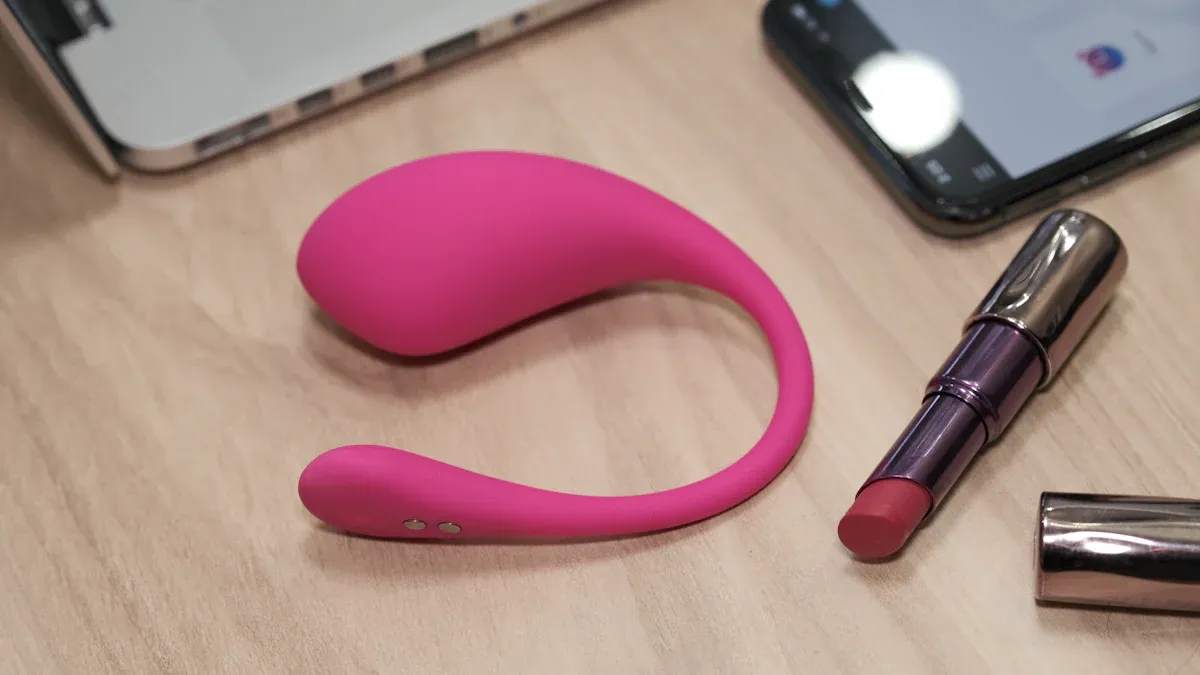
You do not need to worry about complicated controls or heavy designs. Many vibrators and wands now feature large, easy-to-press buttons and lightweight bodies. Some have long handles or flexible necks, so you can reach sensitive spots without twisting or bending. If you want to go hands-free, look for models that rest comfortably against your body or attach to supportive furniture. These features let you focus on pleasure, not pain.
Tip: Try using a wand with a soft, rounded head for gentle stimulation. You can also use it over clothing or with a pillow for extra comfort.
Wearable Devices
Wearable devices can make intimacy easier and more spontaneous. You can slip them on and enjoy hands-free stimulation, which is perfect if you have limited grip strength or get tired easily. These toys often come with remote controls or smartphone apps, so you or your partner can adjust settings without moving much.
Wearable toys adapt to many physical needs. Some wrap around your body, while others fit discreetly under clothing. You can use them while sitting, lying down, or even during daily activities. This flexibility means you do not have to wait for the “perfect” moment—you can enjoy pleasure whenever you feel ready.
Here is a quick look at how wearable devices support different needs:
| Device Type | Function |
|---|---|
| Belt-worn Sensors | Track posture and warn about improper movement, helping you stay safe. |
| Electronic Exoskeletons | Offer physical support, making it easier to move or hold a position. |
| Notification Devices | Alert you to unsafe bending or twisting, reducing the risk of injury. |
You might find that wearable toys help you feel more independent and confident. They let you explore pleasure on your own terms, without needing constant help from a partner. If you want to share control, remote features allow your partner to join in, even from across the room.
Note: Always check that wearable toys fit comfortably and do not put pressure on sensitive areas. Adjust straps or settings as needed for your body.
Anal Beads for Accessibility
Anal beads can offer a unique and accessible way to experience pleasure, especially if you deal with chronic pain or mobility challenges. Their flexible design and gradual sizing make them easy to use, even if you have limited dexterity or sensitivity. You can insert them slowly, one bead at a time, and stop whenever you need. This level of control helps you avoid discomfort and focus on what feels good.
Many people with chronic pain find that anal beads allow them to explore new sensations without putting strain on their joints or muscles. For example, someone with arthritis in their hands might choose a set with a large, easy-to-grip loop at the end. This makes removal simple and safe. Others appreciate that anal beads can be used in a variety of positions, including lying down or with supportive pillows, so you do not have to hold your body in an uncomfortable way.
Let’s look at some practical ways anal beads can enhance intimacy:
- You can use them solo or with a partner, adding a new dimension to foreplay or self-exploration.
- The gradual shape lets you control depth and intensity, which is helpful if you have pain flare-ups.
- Many sets are made from soft, body-safe materials that feel gentle and reduce the risk of irritation.
- Some people use anal beads during other activities, like massage or cuddling, to add gentle stimulation without much movement.
| Feature | Benefit for Accessibility |
|---|---|
| Flexible Shaft | Adapts to your body’s shape and reduces pressure on sensitive areas. |
| Large Loop Handle | Makes removal easy, even with limited grip strength. |
| Gradual Sizing | Lets you stop at any point, giving you full control over sensation. |
| Soft Materials | Feels comfortable and minimizes discomfort during use. |
A case study from a chronic pain support group shared how one member used anal beads to reconnect with their partner after a long period of pain-related intimacy struggles. By choosing a set with a soft, flexible design and using plenty of lubricant, they found a way to enjoy closeness without triggering pain. This experience helped rebuild confidence and trust in their relationship.
Tip: Always use a generous amount of water-based lubricant with anal beads, and clean them thoroughly after each use. Listen to your body and go at your own pace.
Suction and Air Pulse Toys
Why do suction and air pulse toys stand out for people with chronic pain or mobility issues? You might find that traditional vibrators or anal beads require more movement or grip strength than you can comfortably manage. Suction and air pulse toys offer a different approach. They use gentle waves of air or soft suction to stimulate sensitive areas, often without the need for constant pressure or repetitive motion.
You may wonder why these toys feel easier to use. Many models feature hands-free operation. You can position the toy and let it work, which means you do not have to hold it in place or adjust it constantly. This hands-free design helps if you have limited dexterity, joint pain, or muscle weakness. You get to focus on pleasure, not on struggling with the toy.
Comfort matters a lot when you live with chronic pain. Suction and air pulse toys often come with ergonomic shapes that fit naturally against your body. The soft silicone or flexible edges reduce pressure on sensitive skin. You can use them while lying down, sitting, or even propped up with pillows. This flexibility lets you find the most comfortable position for your body.
App compatibility is another reason these toys work well for people with mobility challenges. You can control settings from your phone or tablet, which means you do not have to reach for tiny buttons. If you want to involve a partner, remote control features let them adjust the intensity or patterns from across the room—or even from another location. This can add excitement and connection, especially if you want to share the experience without moving much.
Here’s why suction and air pulse toys can make intimacy more accessible:
- Hands-free operation lets you relax and enjoy, even if you have limited grip or arm strength.
- Ergonomic design supports comfort for people with joint pain or muscle fatigue.
- App and remote controls allow you or your partner to customize sensations without physical strain.
- Soft, body-safe materials help prevent irritation and adapt to your body’s needs.
Tip: Try using a suction or air pulse toy with a wedge pillow or supportive furniture. This can help you stay comfortable and reduce pressure on sore spots.
Some users with disabilities have shared that these toys helped them reclaim sexual pleasure, sometimes for the first time in years. The ability to use a toy without constant hand movement or awkward positioning can boost your confidence and sense of independence. You might discover new ways to enjoy intimacy, even on days when pain or fatigue feels overwhelming.
If you want to explore different sensations, you can combine suction or air pulse toys with other accessible options like wearable devices or anal beads. Mixing and matching can help you find what works best for your body and your comfort level.
A quick comparison of features:
| Feature | Why It Matters for Accessibility |
|---|---|
| Hands-Free Operation | Reduces need for grip or arm movement |
| Ergonomic Shape | Fits body comfortably, lessens pressure points |
| App/Remote Control | Easy adjustments, partner participation |
| Soft Materials | Gentle on sensitive skin, adapts to contours |
You deserve pleasure that fits your needs. Suction and air pulse toys offer a way to experience intimacy with less effort and more comfort. They can help you reconnect with your body and your partner, no matter what challenges you face.
User Experiences
Personal Stories
You are not alone in your journey toward more comfortable and fulfilling intimacy. Many people with chronic pain or mobility challenges have shared how accessible sensual toys changed their experiences. Their stories show that creativity and experimentation can lead to new forms of pleasure. Some individuals talk about using adaptive tools to rediscover intimacy, even after years of frustration.
- People often describe how body mapping—exploring different areas of sensitivity—helps them redefine what feels good.
- Many share that trying new toys, like anal beads, opens up possibilities they never considered before.
- Others say that learning to listen to their bodies and communicate openly with partners brings them closer together.
One person shared, “I never thought I could enjoy intimacy again, but experimenting with different shapes and textures helped me find what works for my body.” These stories remind you that pleasure is possible, even if your path looks different from others.
Community Tips
Support groups and online communities offer a wealth of practical advice. You can find forums and social media groups where people discuss their experiences, share tips, and offer encouragement. Here are some of the most helpful suggestions from these communities:
- Join support groups to connect with others who understand your challenges. These spaces foster emotional intimacy and reduce feelings of isolation.
- Talk openly with your partner about your feelings and physical needs. Honest conversations help you both feel valued and understood.
- Try new positions or use supportive furniture to accommodate your mobility needs.
- Engage in shared activities, like listening to music or playing games, to build connection and distract from pain.
Tip: Many users say that feeling attractive and valued in your relationship boosts confidence and intimacy, even when physical limitations exist.
If you want more ideas or support, check out reputable health forums or social media platforms dedicated to chronic pain and intimacy. These spaces often provide real-life advice and a sense of community.
Overcoming Barriers
You can overcome many barriers to intimacy by using a few proven strategies. Here are some steps that have helped others:
- Communicate openly about your needs and desires. This reduces misunderstandings and builds trust.
- Explore alternative forms of intimacy, such as cuddling or massage, to maintain closeness.
- Plan intimate moments for times when your pain is lower or you feel more rested.
- Adapt positions or use pillows and wedges to make intimacy more comfortable.
- Address pain and hormonal issues with your healthcare provider to improve your overall experience.
- Strengthen your emotional connection by showing daily affection and sharing meaningful activities.
A table of common strategies and their benefits:
| Strategy | Benefit |
|---|---|
| Open Communication | Reduces stress and builds trust |
| Alternative Intimacy Activities | Maintains closeness without pressure |
| Planning Ahead | Increases comfort and enjoyment |
| Adaptive Positions | Minimizes pain during intimacy |
| Managing Health Factors | Improves libido and satisfaction |
| Daily Affection | Deepens emotional connection |
Remember, your journey is unique. You can find more resources and connect with others through online support groups, health forums, and social media communities focused on intimacy and chronic pain.
Supportive Products
When you live with chronic pain or mobility issues, the right supportive products can transform your intimate experiences. You might wonder why these tools matter so much. The answer is simple: they help you find comfort, reduce strain, and open up new ways to enjoy pleasure.
Sex Furniture
Sex furniture gives you more control over your body and comfort during intimacy. You can use these tools to support your joints, reduce pressure on sensitive areas, and experiment with new positions that might otherwise feel impossible.
Wedges and Pillows
Wedges and pillows offer gentle elevation and support. You can use them to lift your hips, back, or knees, which takes pressure off sore spots. This support helps you relax and focus on pleasure instead of pain. Many people with back or knee pain find that a wedge or ramp makes intimacy possible again. You can also combine wedges for customizable angles, making it easier to find what feels best for your body.
Adjustable Furniture
Adjustable furniture, like ramps or sculpted cushions, lets you change positions without straining your muscles. These pieces often have ergonomic designs that cradle your body and protect your joints. If you have hip concerns, a wedge ramp combo can offer flexibility and reduce discomfort. Some furniture even supports you during straddling or riding positions, so you can enjoy intimacy without extra effort.
Here’s a quick guide to recommended furniture for different pain types:
| Type of Pain | Recommended Furniture | Benefits |
|---|---|---|
| Back Pain | Ramp | Provides a lift for better positioning without back strain. |
| Esse | Sculpted curves protect the back and reduce strain. | |
| Knee Pain | Wedge | Elevates the body without kneeling, protecting sensitive joints. |
| Aria | Ergonomic design supports back, knee, and hip. | |
| Hip Concerns | Wedge Ramp Combo | Offers customizable angles for flexibility. |
| Esse Slim | Reduces pressure on joints during straddling and riding positions. |
Tip: Try using a wedge or ramp with anal beads or other accessible toys to make exploration easier and more comfortable.
Lubricants and Balms
Why should you consider lubricants and balms? These products can make intimacy smoother and more enjoyable, especially if you experience dryness or pain. A recent review found that lubricants help many people with chronic pain reduce discomfort during sexual activity. You might also benefit from orgasm balms, which use gentle warming or tingling sensations to heighten pleasure and distract from pain. These balms can help you focus on sensation and relax into the moment.
Adaptive Accessories
Adaptive accessories give you more independence and flexibility. You can use mobility aids like supportive chairs or positioning devices to make movement easier. For example, a mobility aid designed for intimacy can help you change positions or stay comfortable without needing help from your partner. These tools let you enjoy intimacy on your own terms, whether you want to explore solo or with someone else.
Note: You deserve comfort and pleasure. Supportive products help you adapt intimacy to your needs, so you can focus on connection and enjoyment.
Alternative Intimacy
Sensual Massage
Why should you consider sensual massage as part of your intimate life? Massage offers more than just relaxation. When you live with chronic pain or limited mobility, massage can help you reconnect with your body and your partner in a gentle, caring way. You might notice that massage reduces pain and stiffness by relaxing tense muscles. It also improves blood flow, which can make your joints feel less stiff and more flexible. Many people find that a soothing massage before bed helps them sleep better, which is important for managing pain.
You do not need to be a professional to give or receive a meaningful massage. Focus on slow, gentle strokes and pay attention to areas that feel tense or sore. Use pillows or cushions to support your body and make sure you stay comfortable. You can even turn massage into a shared ritual, using scented oils or soft music to create a calming atmosphere. This time together can help you and your partner relax, communicate, and enjoy each other’s touch without pressure.
Tip: Massage is not just about physical relief. It can also ease emotional stress and help you feel more connected.
Non-Penetrative Play
Why explore non-penetrative play? Many people with chronic pain or mobility challenges find that traditional sexual activities are not always comfortable or possible. Non-penetrative play opens up a world of pleasure that does not rely on penetration. You can focus on sensation play, like gentle touching, kissing, or exploring erogenous zones. Try using toys designed for external stimulation, or experiment with temperature play using warm or cool objects.
You might discover that clitoral stimulation or other forms of external touch bring more pleasure than penetration. In fact, most women need clitoral stimulation to reach orgasm, so you are not alone if you prefer this type of play. Let go of old assumptions about what intimacy “should” look like. Instead, create your own definition of pleasure. This approach allows you to enjoy intimacy on your terms, without discomfort or frustration.
- Explore sensation play and erogenous zones.
- Use toys for external stimulation.
- Try cuddling, kissing, or mutual touch.
- Focus on what feels good, not what is expected.
Emotional Connection
Why does emotional connection matter so much when you face physical challenges? Chronic pain and mobility issues can change your daily life and your relationship. You and your partner may feel more stress, or even frustration, as you adjust to new routines. Emotional intimacy becomes even more important during these times. When you share your feelings and support each other, you reduce feelings of isolation and anxiety.
Open communication helps you both understand each other’s needs. You might find that talking about your experiences brings you closer and builds trust. Shared coping strategies, like planning relaxing activities together or checking in about each other’s feelings, can strengthen your bond. Emotional support also helps you manage mental health challenges that often come with chronic pain.
Remember: Intimacy is not just physical. Emotional closeness can be just as fulfilling and can help you and your partner navigate challenges together.
Practical Tips
Consulting Professionals
Why should you reach out to professionals when exploring intimacy with chronic pain or mobility challenges? You might feel unsure about what’s safe or comfortable for your body. Professionals can help you find answers and support. They understand how aging with a condition can complicate sexual activity. You may face issues like pain, fatigue, or emotional stress. An active sex life still matters for your well-being and emotional connection.
You can talk to different experts, such as:
- Healthcare providers who understand your medical history and can suggest safe alternatives.
- Therapists who specialize in chronic illness and sexual health. They offer a safe space to discuss fears, needs, and emotions.
- Physical therapists who can recommend positions or movements that reduce pain.
A therapist can help you and your partner share experiences without blame. You both learn to accept limitations and focus on self-compassion. If you notice symptoms like dryness, discomfort, or low desire, bring them up with your provider. They may suggest less taxing activities or recommend devices that fit your needs.
Partner Communication
Why does open communication with your partner make such a difference? You both want to feel valued and understood. Honest conversations help you share boundaries, comfort levels, and desires. This reduces misunderstandings and builds trust.
Try these steps for better communication:
- Use “I” statements to express your feelings.
- Share what feels good and what does not.
- Discuss which positions or activities are most comfortable.
- Set realistic expectations for each other.
You might find that redefining intimacy brings you closer. Explore new ways to connect that honor both your limits and desires. Accepting health changes without self-judgment helps you both feel more at ease.
Tip: Compassionate communication can turn challenges into opportunities for deeper connection.
Safe Experimentation
Why is safety so important when trying new sensual toys or activities? You want pleasure, not pain or frustration. Safe experimentation lets you explore without fear. Start by choosing toys that match your abilities. Look for comfortable grips or hands-free options.
Before you begin, talk with your partner about boundaries and comfort. Decide on a safe word or signal in case pain occurs. Discuss which positions feel safest. This planning helps you relax and enjoy the moment.
Here’s a quick checklist for safe experimentation:
- Communicate boundaries and comfort levels.
- Choose easy-to-use toys that fit your needs.
- Use plenty of lubricant to reduce friction.
- Clean toys before and after use.
- Stop if you feel pain or discomfort.
A little preparation goes a long way. You deserve to explore pleasure in ways that feel right for you.
You deserve pleasure and connection, no matter what challenges you face. Trying different toys and strategies helps you discover what feels best for your body. Accessible sensual toys can boost your comfort and well-being in many ways:
- They enhance sexual pleasure and help relieve discomfort.
- Sexual stimulation can ease chronic pain and lift your mood through endorphins and oxytocin.
- Experts recommend ergonomic designs and supportive tools to make intimacy easier.
If you need extra support, reach out to professionals or join a community. Celebrate your unique journey and know that intimacy belongs to you.
FAQ
What features should I look for in a sensual toy if I have limited hand strength?
Look for toys with large, easy-to-press buttons and ergonomic handles. Lightweight designs and looped grips help you hold and control the toy with less effort. Hands-free or wearable options can also make things easier.
How can I make intimacy more comfortable when I have chronic pain?
Use supportive pillows or wedges to reduce pressure on sore spots. Try positions that let you relax your muscles. Communicate with your partner about what feels good and stop if you feel discomfort. Lubricants and balms can also help reduce friction.
Are there sensual toys I can use without needing to hold them?
Yes! You can try wearable toys, suction devices, or toys with remote controls. Some toys stay in place with straps or flexible designs. These options let you enjoy pleasure without needing to grip or adjust the toy constantly.
How do I clean sensual toys safely if I have mobility issues?
Choose toys that are waterproof and easy to rinse. Use a mild soap or a toy cleaner. If reaching the sink is hard, use cleaning wipes. Always dry toys thoroughly before storing them.
Can I use sensual toys if I have sensitive skin or allergies?
Yes, but pick toys made from body-safe materials like medical-grade silicone. Avoid products with fragrances or harsh chemicals. Always do a patch test with lubricants or balms on a small area first.
What should I do if I feel anxious about trying new toys?
Start slow and give yourself permission to explore at your own pace. Talk with your partner about your feelings. Join online communities or support groups for advice and encouragement. Remember, you are not alone.
How can I involve my partner if I have mobility challenges?
Invite your partner to help with positioning or adjusting toys. Use remote-controlled devices so they can join in. Focus on communication and explore new ways to connect, like massage or non-penetrative play.
Are there professionals who can help me find the right products?
Yes! You can talk to healthcare providers, occupational therapists, or sex therapists. They can suggest products and strategies that fit your needs. Some clinics offer consultations about sexual health and adaptive tools.